
DrHomey Advice on Designing: Transforming Spaces by Academic Principles
Introduction
DrHomey Advice on Designing is not just a matter of placing furniture or even applying paint veneer. It is a process through which people bring their recollections, way of life and dreams into spaces. The first experience of the principles of DrHomey seemed to sum up and shape the partial thoughts that used to occur as one perceived the surrounding home atmosphere in the past.
Interior design was seen historically in the following way
Traditionally, the area of interior design has been seen as a closed community, with its luxurious appearance featured in slick magazines. The view of drhomey advice on designing advice on designing is a paradigm shift, which is based on meaningful and functional, as well as personalized space, not based on luxury decoration.
Methodology
This report includes the critical analysis of the recommendations of drhomey advice on designing with the supporting evidence of theoretical observations and case studies based on the personal experience. The discussion highlights the overlap of the theory and practical use of drhomey advice on designing.
Literature Review: Special Features
Contrary to traditional design blogs that use thick jargon, the guidelines to be followed by drhomey advice on designing are simple, practical, and accessible. The tone is similar to the tone of a serious dialogue of an authoritative interlocutor, who understands the dual demands of aesthetic value and the effective functionality of a device.
Principles of Human-Centered Design
Both of the directives start with an underlying axiom: spaces should be functional to the occupant and not vice versa. Design processes that are grounded in everyday life, emotional experiences, and autobiographical stories but not a temporary fashion are promoted by DrHomey.
Case Example: Reading Nook
A case study explains that a reading nook (which is a chair and a lamp) can be turned into a refuge when it can be supplemented by experiencing features, proper light and a collection of literary materials and books, thus increasing the sense of experience in an otherwise empty corner.
Combination of Functionality and Beauty
The useless artifacts which are not operationally viable eventually become aesthetic inefficiencies. Those concepts brought forward by drhomey advice on designing are dual-purpose solutions, i.e.,drhomey advice on designing furnishings with storage spaces, lighting with decorative and functional functions, and color that can both calm and organize.
Comparison: Operational Design Assessment
The living room is likened to a multifunctional gadget; the visual attractiveness of the room is less important than its working strength. In the event of poor performance, abandonment by users is expected.
Design Inclusivity
This part purports that inclusive design is used in a consistent approach to both the space of small studios and large villas of discrete settings. The general principles apply irrespective of the occupant characteristics and the type of dwelling drhomey advice on designing.
Read More : – photo of stasha mikov
General postulates of the design philosophy of DrHomey
Balance and Harmony
The spatial space must have a similar phenomenon to breathing. There is a hindrance in crammed interiors which hampers cognitive comfort, drhomey advice on designing thus there is a dire need to maintain a reasonable balance between the negative and positive space.
Personal Narrative: Wall Saturation
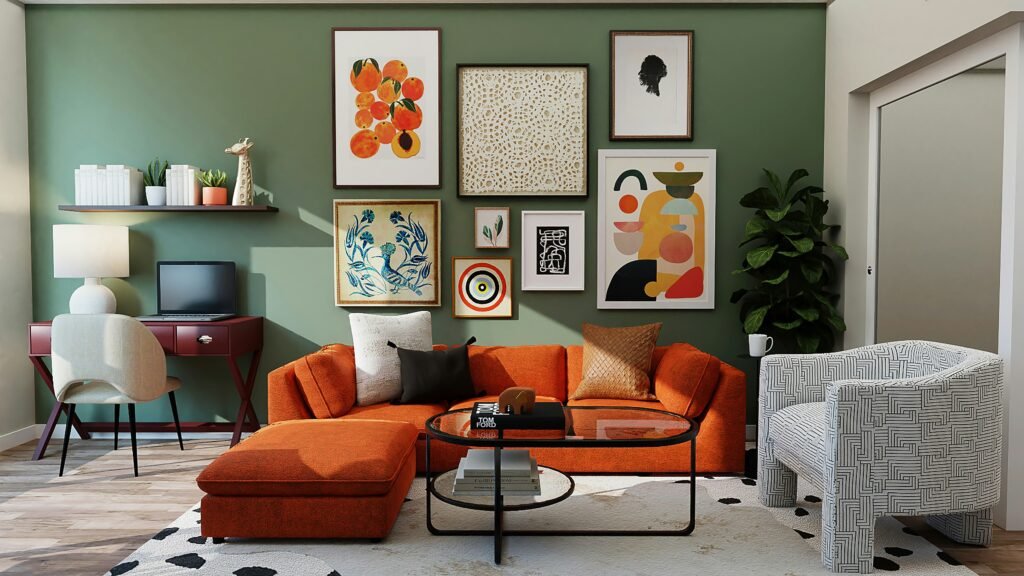
There is an anecdote about the failure that was experienced when every wall was covered with the paintings making them look chaotic. Later conformity to the rule of maintaining negative space produced an appearance of a gallery.
Colour Psychology
Colour has an intense effect on mental conditions. Suggested drhomey advice on designing palettes include:
– Pastels on bedrooms to enable relaxation.
– Bright colors of the living spaces to stimulate life.
– Kitchen colors to portray warmth on earth tones.
Drawing on a Case Study: Kitchen Colouring
Applying terracotta on the walls of the kitchen was claimed to be linked to increased enjoyment of the morning coffee, which might have been linked to self-perception or placebo effect.
Light Dynamics
There is natural lighting, which is usually underutilized. Reflective surfaces, clear drapery and optimal positioning are some of the strategies that can be used to effectively increase the light sources available.
Hands-On Experience: Desk Position
Placing a workspace near a window significantly enhances productivity, drhomey advice on designing which highlights the significance of effective integration of light strategy.
Spatial Efficiency
The discussion goes to the optimization of minimalistic spaces, using versatile furniture, vertical storage, and modular design that can be used to stretch the square space in use.
Comparison: Multifunctional Tools
Small spaces serve as analogous to multipurpose instruments that can execute multiple functions and yet not take over too much space.
Quick Design Checklist
1. Explain the purpose of every area.
2. Choose a general theme (modern, rustic, minimalist, bohemian).
3. Identify a color scheme that portrays desired mood.
4. Give emphasis on light- natural and artificial.
5. Choose multifunctional furniture.
6. Add botanical motifs or elements of nature.
7. Keep decor to a minimal level but substantial.
8. Keep plenty of breathing room; do not stick too closely together.
9. Bring in personal objects (photographs, heirlooms, handmade objects).
10. Make a self evaluation: Is the space conclusively representative of the occupant?
Personal Applications in Practical Life
First Apartment
When the family moved to a small one-bedroom apartment, the initial stagnation of vitality led to the implementation of the measures below: intensive cleaning, choosing of cool and neutral palette, purchasing convertible sofa-bed, and planting a small flora. The practice overturned the social perception and the person became a reference of design.
Family-Oriented Living Room
One of the situations in a family where there were toddlers triggered measures that can help to increase durability: washing clothes, smooth furniture, and open shelves where toys can be stored. The living atmosphere created is both beautiful and resistant to the functional daily life turmoil.
Frequently Asked Questions
Is the instruction by DrHomey confined to homeowners only?
No; the principles can be used with renters, students, as well as professionals working in different settings.
Is it a big financial resource to carry out these recommendations?
No, the directions focus specifically on low-cost, imaginative solutions, such as reuse and self-making methods.
Is it possible to apply these principles to extramural spaces?
Yes; there are balconies, patios and verandas that enjoy the inclusion of greenery, proper lighting and sitting areas.
Which is the most immediate design change?
Organizing surfaces allows having an immediate impression of order and hospitality.
